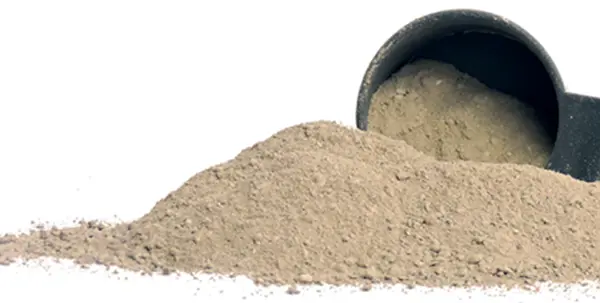
Technical ceramic bodies: far more than simple compounds.
The complete guide to formulation, processes, and quality controls for the production of industrial technical ceramic bodies.
Technical ceramic bodies are at the heart of every industrial ceramic component. They are not mere blends of raw materials, but engineered systems in which chemistry, physics, and manufacturing processes work together to determine the final performance of the product. The quality of a ceramic component is defined long before shaping—it begins with the design of the ceramic body itself.
In the industrial context, technical ceramic bodies are essential for applications requiring dimensional stability, high-temperature resistance, electrical insulation, chemical inertness, and long-term durability. High-performance sectors such as industrial machinery, electronics, automotive, aerospace, energy, and industrial furnaces rely on tailor-made ceramics designed to meet increasingly stringent requirements.
Raw materials are the foundation of quality.
The quality of an industrial ceramic body depends directly on the selection of raw materials. For us, this aspect is central: we rely exclusively on raw materials of European origin, avoiding non-EU imports. This approach allows for rigorous and consistent control of the chemical properties of incoming materials.
The raw materials used are free from substances hazardous to health and fully compliant with major international regulations, including RoHS and REACH. Particular attention is given to the maximum allowable limits for critical elements such as lead, cadmium, and hexavalent chromium—an aspect especially crucial for applications in electrical and electronic equipment.
Supply traceability, consistent quality, and material safety are not just regulatory requirements—they represent a tangible technical value: ensuring ceramic bodies that are more stable, reproducible, and reliable over time.
But how is a high-performance ceramic body created?
A high-performance ceramic body is born from the combination of chemistry, precision, and know-how; it is a true design activity. Each formulation arises from the balance between:
Mechanical strength
Thermal behavior
Electrical insulation
Porosity level
Material workability
When a customer presents specific requirements, we adjust the composition of the ceramic body, introducing customized composites or modifying the material structure. For example, it is possible to produce zero-porosity bodies, particularly suitable for food applications or where high hygiene standards are required. The design considers not only technical performance but also the economic sustainability of the finished component.
From a production standpoint, the process can start either from powders supplied directly by manufacturers or from raw materials in lumps or aggregates, which are then milled and sieved. In terms of production, we can operate through:
Slip preparation with the addition of water
Dry mixing to obtain homogeneous powders
Spray drying, with atomization of powders into micro-granules with controlled composition
A well-designed ceramic body must also be workable. That is why we adjust the material’s plasticity, adapting it to the different forming technologies required by the project. Depending on the case, the ceramic body can be optimized for extrusion, slip casting, pressing, or other advanced forming techniques. Proper design of the body also facilitates subsequent operations such as milling, engraving, or precision machining before firing. This approach reduces the risk of defects, improves dimensional tolerances, and enhances the overall quality of the finished piece, even for the most complex geometries
Continuous evolution and innovation in ceramic bodies.
The evolution of ceramic bodies is a continuous process. We constantly invest in research and development, gradually improving established formulations and developing new solutions for emerging applications. A concrete example is the optimization of thermal shock performance, increasingly required in the energy and industrial furnace sectors
Alongside traditional ceramic bodies, innovative materials are developed, such as those designed for honeycomb structures in heat exchangers and recuperators, or bodies with controlled porosity for industrial filtration systems. In the field of advanced refractories, we also work with silicon carbide (SiC) ceramics, used in applications requiring extremely high thermal and chemical resistance, such as industrial burners for treating textile residues
Relying on specialists like us means choosing a partner capable of combining customization, innovation, and high-quality raw materials. The production of a technical ceramic body is never a standardized process, but a complex balance between materials, process, and final application.